Central/Eastern Europe (likely Poland, Hungary, or Germany)
2026-06-03 17:06:56
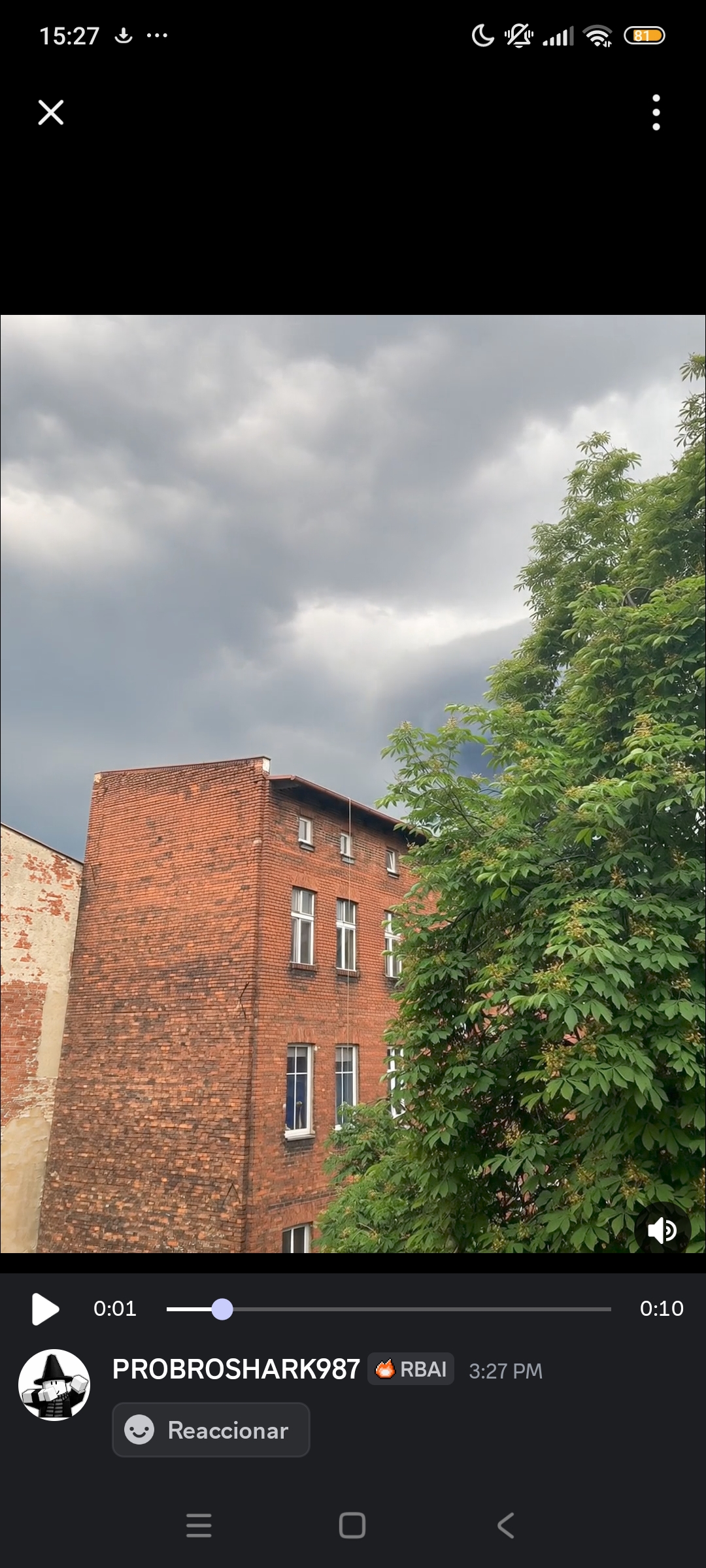
Primary guess
Central/Eastern Europe (likely Poland, Hungary, or Germany)
Confidence
• Level: Medium
• Why:
- The architectural style—red brick tenement buildings with rectangular, vertically oriented windows—is highly characteristic of late 19th- and early 20th-century urban centers in Central and Eastern Europe.
- The building construction and window design (white, multi-pane casement windows) are extremely common in cities like Wrocław, Budapest, and Berlin.
- The tree visible is likely a Horse Chestnut (*Aesculus hippocastanum*), a very common urban tree species in the same region, identifiable by its palmately compound leaves and flower spikes (visible in the image).
- The lack of specific street signs, landmarks, or unique identifiers makes a precise street-level address impossible to determine, but the architectural and botanical evidence consistently points to a European urban context.
Visual evidence
• **Architecture:** The building features traditional red brick masonry, which is synonymous with historic tenement housing ("Miethaus" in German, "kamienica" in Polish) found in many Central European cities.
• **Windows:** The white, vertically rectangular windows are typical of pre-war European architecture.
• **Vegetation:** The tree displays palmately compound leaves and what appear to be erect, candle-like flower clusters (panicles), characteristic of the Horse Chestnut (*Aesculus hippocastanum*), which is widely planted in European city streets and courtyards.
• **Climate/Atmosphere:** The dramatic, overcast, grey sky is common in these regions, particularly during transitional seasons.
• **Urban context:** The density of the buildings (visible firewalls or neighboring structures) suggests a dense, historic urban core.
Reasoning
The photo captures a common urban scene in Central Europe. The combination of late-19th-century red brick architecture and the specific type of foliage points away from North America or tropical regions. While similar brick buildings exist in other parts of the world, the specific "tenement" style—characterized by tall, narrow facades and vertical window patterns—is a hallmark of European urban planning from the turn of the 20th century.
I considered North American locations, but the construction technique and window styles are less characteristic of standard American tenements. I also considered locations further south in Europe, but the vegetation and weather patterns strongly favor a more temperate, northern, or central European climate. Without distinct signage or identifiable building plaques, it is impossible to narrow the location down to a specific street or city; however, the region is highly likely to be within the historic Central/Eastern European urban belt.
Verification
• Brick Architecture in Munich (Example of regional red brick prevalence)
• Special apartment buildings in Eastern Europe (Examples of similar architectural styles)
Links
Coordinates
Approximate coordinates cannot be provided as the location is likely a generic urban scene common to many cities across Central Europe.