South Korea
2026-08-07 23:37:25
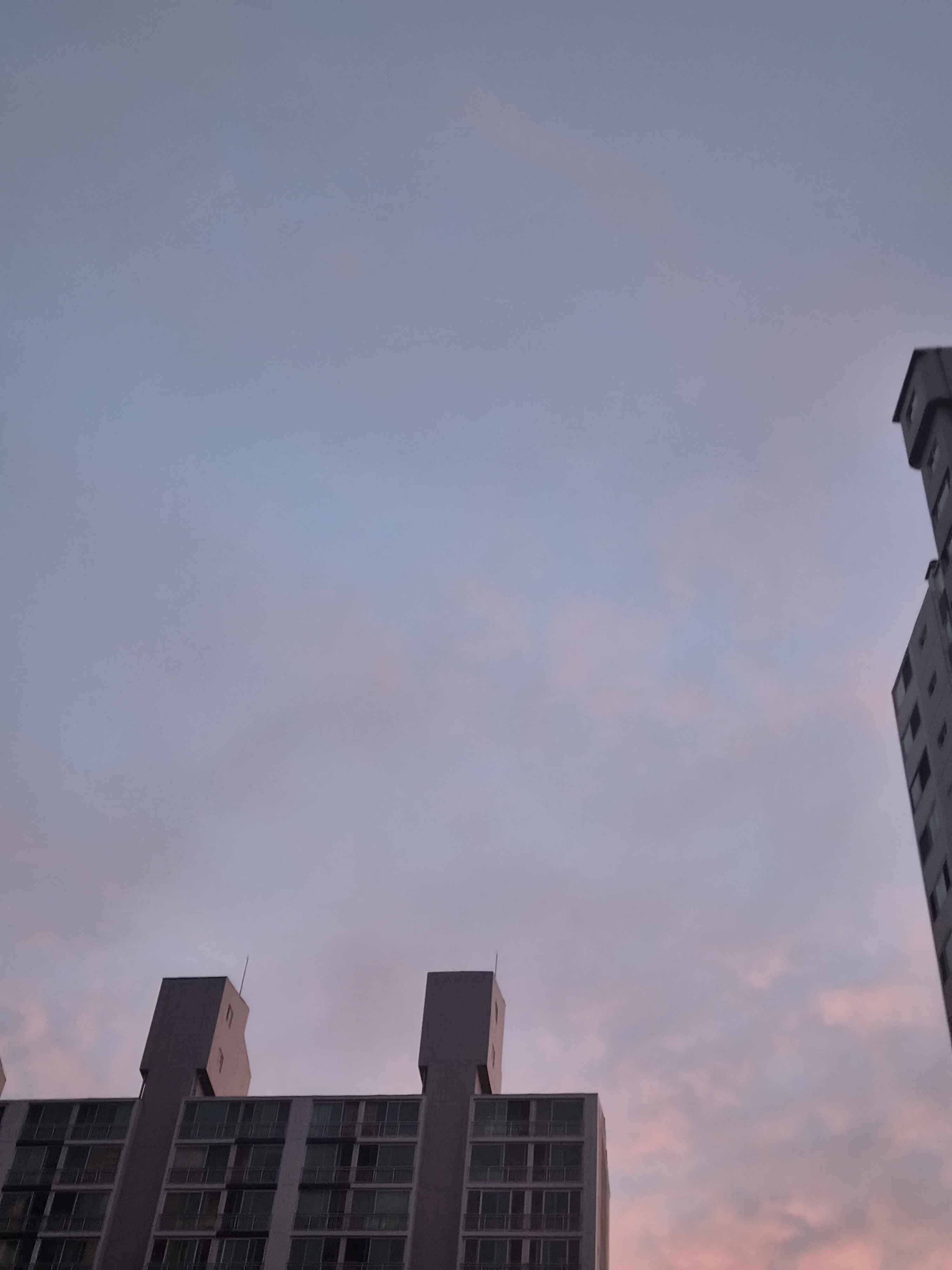
Primary guess
South Korea
Confidence
• Level: High
• Why:
- The architectural style of the buildings—high-density, multi-story concrete residential towers—is iconic and ubiquitous across South Korea.
- The specific design features, including the rooftop structures (likely housing elevator machinery or water tanks) and the grid-like pattern of balcony windows, are characteristic of standard Korean "tanji" (apartment complex) developments.
- The lighting and atmosphere are consistent with late-day, clear-sky conditions often captured in urban residential areas in this region.
Visual evidence
* **Building Architecture:** The buildings are large, multi-story, concrete apartment blocks. The repetitive, modular window layouts are a hallmark of the "mass housing" architectural typology that has dominated South Korean urban development since the 1980s.
* **Rooftop Structures:** The prominent, boxy structures on the roofs are standard for these types of buildings in South Korea. They are typically used to house elevator motor rooms, rooftop access stairwells, or water storage tanks, and are often seen in uniform, mass-produced residential complexes.
* **Balconies/Windows:** The glass-enclosed balcony style is a nearly universal feature of modern and mid-century Korean apartments, often reflecting the climate-driven need to enclose space for insulation and additional living area.
* **Urban Landscape:** The density and verticality of the buildings, combined with the lack of distinctive surrounding architecture, strongly point toward a residential apartment complex, which houses over 80% of the South Korean population.
Reasoning
The photo shows a scene that is architecturally indistinguishable from the tens of thousands of apartment complexes found in South Korean cities. The "mass housing" approach in South Korea resulted in a very standardized, recognizable design language for these buildings. While similar high-rise apartment styles exist in parts of China, Eastern Europe, or other high-density Asian cities, the specific configuration of these towers—their height, the window layouts, the beige/grey concrete palette, and the specific functional rooftop boxes—is most characteristic of the Korean urban landscape.
No specific signage, street lamps, or identifying landmarks are visible, making it impossible to narrow the location down to a specific city or neighborhood. However, the architectural typology is so uniform throughout the country that identifying the country itself is highly certain.
Verification
* History of Korean Apartments (Hyundai E&C) - Confirms typical design history
* Modern Housing Complexes in South Korea - Research on architectural typology
Links
Coordinates
Not possible. The photo lacks unique geographic markers, signage, or distinct topographical features that would allow for triangulation or identification of a specific building complex.