Tokyo, Japan
2026-08-27 04:09:25
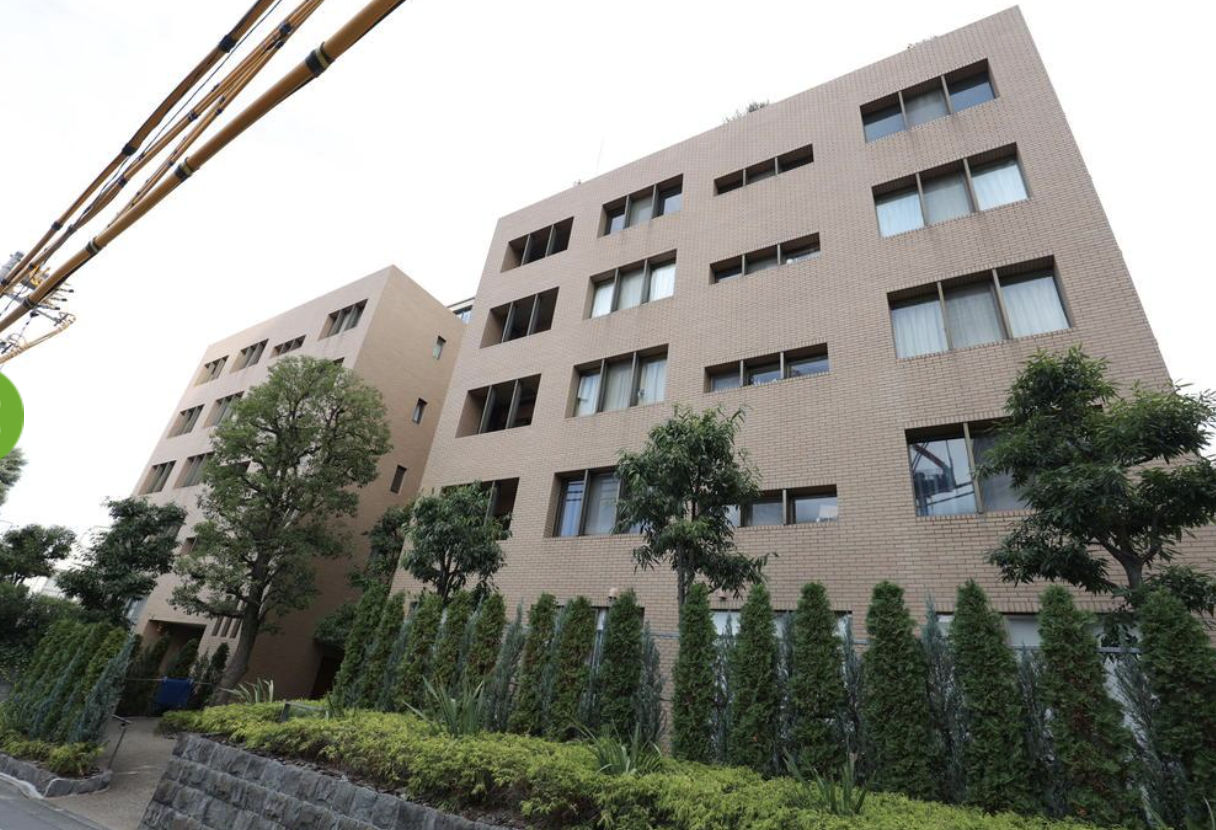
Primary guess
Tokyo, Japan
Confidence
• Level: Medium
• Why:
- The architectural style, specifically the use of brick-tile facades, is extremely common in Japanese multi-story residential apartment buildings.
- The presence of dense, overhead electrical utility lines is a signature characteristic of Japanese urban streetscapes.
- The landscaping, including manicured hedges and specific types of trees (often found in residential Tokyo neighborhoods), aligns with Japanese urban planning.
- While many countries have brick buildings, the specific combination of this facade style, the utility pole configuration, and the "residential neighborhood" aesthetic is most diagnostic of Japan.
Visual evidence
• **Utility Poles and Power Lines:** The complex, tangled web of overhead electrical and communication wires is highly representative of Japanese urban infrastructure, where these lines are typically not buried.
• **Architecture:** The building features a multi-story, block-like design with brick-tile cladding and rectangular windows, a standard aesthetic for apartment complexes (often called "mansions" in Japan) built from the late 20th century onwards.
• **Vegetation:** The use of tall, narrow, manicured evergreen hedges (similar to Thuja/arborvitae) against the base of residential buildings is a frequent landscaping choice in Japan for privacy and aesthetic screening.
• **Environment:** The overcast sky is consistent with the common weather patterns often captured in street-level photography of Japanese cities.
Reasoning
The photo depicts a scene typical of a residential neighborhood in a major Japanese city, most likely Tokyo. The "brick" cladding is a common facade treatment for mid-rise apartment buildings in Japan to give a sense of permanence and style. The most definitive clue is the overhead utility network; while overhead wires exist elsewhere, the specific density, pole material, and the way they frame the buildings are iconic features of Japanese urban areas.
Alternative locations like parts of Europe (e.g., Belgium or the UK) might feature brick buildings, but the specific configuration of the utility poles—which are distinctively Japanese in their height, cross-arm structure, and bundling—makes Japan the far more probable location. Other Asian cities might have similar power lines, but the architectural clean-cut, grid-like residential aesthetic and the specific type of hedge landscaping point strongly toward the Japanese capital.
Verification
• SoraNews24: Why Japan has so many overhead power lines
• Unseen Japan: What's With the Chaos of Japanese Power Lines?
• Alamy: Residential buildings and utility poles in Tokyo
Links
Coordinates
Approximate location: 35.6762° N, 139.6503° E (Central Tokyo area). Precise coordinates cannot be determined without specific street signage or unique architectural landmarks.